ArticlePatient education
Botox | More Than Just Wrinkle Reduction
Botox softens dynamic lines, refines facial contours, and balances muscle activity for a smoother, more refreshed appearance. Precisely placed treatments can enhance facial harmony while preserving natural expression—subtle, polished, and never overdone.
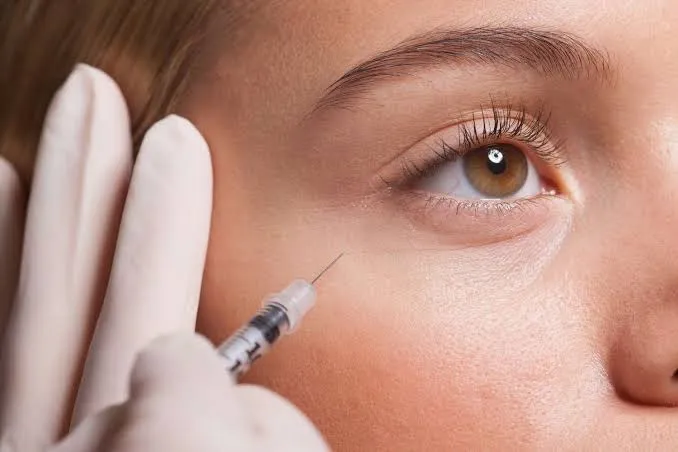
What Is Botox?
Botox is a brand of Botulinum Toxin Type A.
It works by temporarily reducing the nerve signals that cause targeted muscles to contract.
Many facial wrinkles develop because we repeatedly use the same muscles when making expressions.
For example:
Raising your eyebrows → Forehead lines
Frowning → Frown lines or “11 lines”
Smiling and squinting → Crow’s feet
By temporarily relaxing selected muscles, Botox reduces repetitive skin folding and helps dynamic wrinkles appear softer and smoother.
What Can Botox Treat?
1. Forehead Lines
Repeated eyebrow movement can create horizontal lines across the forehead. Botox can reduce excessive muscle contraction and create a smoother appearance.
2. Frown Lines
The vertical “11 lines” between the eyebrows are one of the most commonly treated areas with Botox.
Relaxing the targeted muscles can soften these lines and create a more relaxed appearance.
3. Crow’s Feet
Fine lines around the outer corners of the eyes often become more noticeable when smiling or squinting.
Carefully placed Botox can soften these lines while preserving a natural smile.
4. Masseter Botox
For patients with enlarged or overactive masseter muscles, Botox can reduce muscle activity and, over time, may create a softer and slimmer appearance in the lower face.
However, not every wide or square face is caused by the masseter muscles.
Bone structure, facial fat distribution, and skin laxity can also affect facial shape, which is why an individual assessment is important.
5. Lip Flip
A small amount of Botox can be placed around specific muscles of the upper lip to help the lip gently roll outward.
A Lip Flip is different from lip filler.
Botox does not actually add volume to the lips. Instead, it changes the way the muscles around the upper lip move.
6. Gummy Smile
Some people naturally show more gum when smiling because of strong upper-lip elevation.
In appropriately selected patients, small amounts of Botox may help reduce excessive upward movement of the upper lip.
7. Chin Dimpling
An overactive chin muscle can sometimes create a dimpled or “orange-peel” appearance.
Relaxing this muscle may help the chin appear smoother.
How Long Does Botox Take to Work?
Botox does not usually produce its final result immediately after treatment.
Around 7–14 days:
You may begin noticing reduced muscle movement.
Around 2 weeks:
The treatment effect is generally more established, and this is a common time for follow-up assessment.
Around 3–4 months:
For many cosmetic indications, results may last approximately this long, although duration varies from person to person.
Botox is temporary. As nerve-to-muscle signaling gradually recovers, muscle movement will slowly return.
Will Botox Make My Face Look Frozen?
Botox does not automatically mean a “frozen” face.
Natural-looking results depend on several factors:
Dose + Injection Placement + Facial Anatomy + Individual Muscle Activity
The goal is not necessarily to eliminate every facial movement.
A well-planned Botox treatment aims to address specific concerns while maintaining natural expressions and facial balance.
This is also why the same 20 units of Botox may not be appropriate for every patient.
Botox vs. Filler: What’s the Difference?
A simple way to understand the difference:
Botox → Modifies muscle activity
Filler → Adds or restores volume and enhances certain facial contours
For example, dynamic frown lines may be treated with Botox, while adding volume to the lips would generally involve dermal filler.
They work in completely different ways, and the appropriate treatment depends on your anatomy and aesthetic goals.
Who Should Be Cautious About Botox?
Botox is a medical treatment and may not be appropriate for everyone.
Before treatment, patients should inform their healthcare provider about pregnancy or breastfeeding, certain neuromuscular conditions, infection in the treatment area, medications, and other relevant medical history.
A qualified healthcare professional should determine whether Botox is appropriate for each individual.
Related treatments
Sources
This article provides general educational information and is not a substitute for an individual medical consultation.